
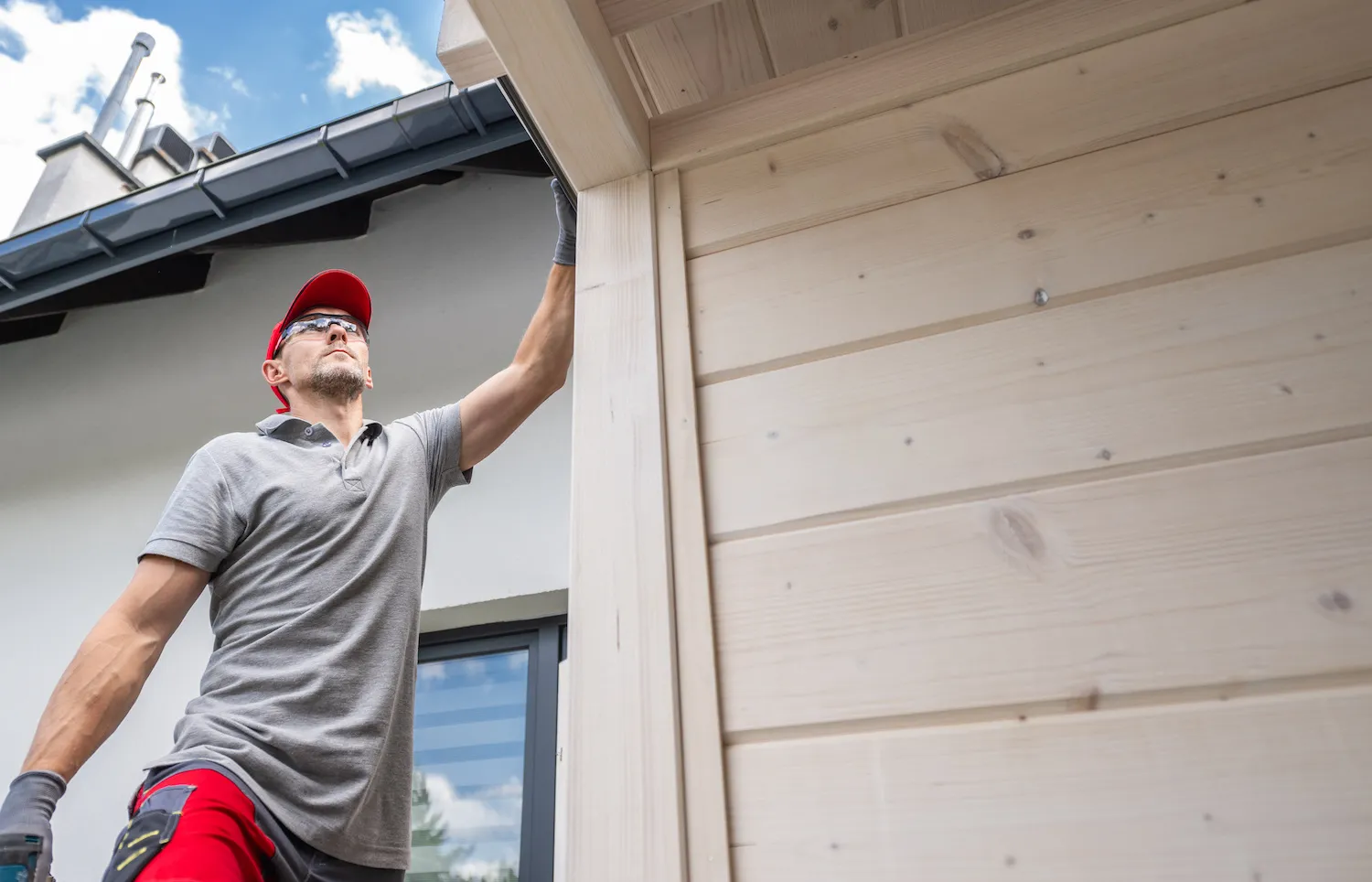
Your home’s siding does more than enhance curb appeal. It serves as a protective barrier against rain, wind, pests and changing temperatures. Without regular care, even the highest-quality siding can develop issues that lead to costly repairs.
Fortunately, proper siding maintenance doesn’t have to be complicated. A few simple habits can help extend the life of your siding, preserve your home’s appearance and protect your investment for years to come.
1. Inspect Your Siding Twice a Year
One of the most important siding maintenance habits is conducting regular inspections. Walk around your home in the spring and fall and look for:
- Cracks or holes
- Warping or buckling
- Loose panels
- Peeling paint
- Signs of mold or mildew
- Pest damage
Catching problems early can help prevent more extensive damage and expensive repairs.
2. Wash Your Siding Regularly
Dirt, pollen and environmental pollutants can build up on siding over time. Cleaning your siding at least once a year helps maintain its appearance and prevents buildup that can trap moisture.
For most siding materials:
- Use a garden hose and soft-bristle brush
- Mix mild soap with water
- Gently scrub dirty areas
- Rinse thoroughly
Avoid using excessive pressure, especially on older siding, as it can force water behind the panels and cause damage.
3. Watch for Mold, Mildew and Algae
Moisture-prone areas often develop mold, mildew or algae growth. These issues commonly appear on shaded sections of the home or areas near landscaping.
If you notice discoloration:
- Clean the affected area promptly
- Trim back nearby vegetation
- Improve airflow around the siding
- Address drainage issues that may be contributing to excess moisture
Keeping moisture under control is a key part of effective siding maintenance.
4. Keep Gutters and Downspouts Clean
Clogged gutters can overflow and allow water to run down your siding repeatedly. Over time, this can cause staining, rot and moisture-related damage.
Make sure gutters and downspouts are:
- Free of leaves and debris
- Properly secured
- Directing water away from your home’s foundation
Maintaining your gutter system helps protect your siding as well.
5. Trim Trees and Shrubs Near Your Home
Overgrown landscaping can rub against siding and cause scratches, dents and premature wear. Trees and shrubs can also trap moisture against exterior surfaces.
Maintain at least several inches of clearance between plants and your siding whenever possible. This improves airflow and reduces the likelihood of moisture problems.
6. Check Caulking and Seals
Areas around windows, doors and trim rely on properly functioning caulk to keep moisture out. During your inspections, look for:
- Cracked caulk
- Gaps around openings
- Deteriorating sealant
Replacing damaged caulk can help prevent water intrusion and improve your home’s energy efficiency.
7. Address Repairs Quickly
Even minor siding damage can worsen when left untreated. Small cracks or loose panels can allow moisture to enter behind the siding, potentially leading to structural issues.
If you notice damage:
- Repair loose sections promptly
- Replace cracked panels
- Schedule a professional inspection if the damage appears extensive
Timely repairs are one of the best ways to maximize the lifespan of your siding.
8. Protect Against Pest Damage
Insects and small animals can sometimes damage siding materials, particularly wood siding. Watch for signs such as:
- Holes
- Chewed areas
- Nesting activity
- Wood deterioration
Address pest issues quickly and seal any openings that may provide access to your home’s exterior walls.
9. Repaint or Refinish When Needed
For wood siding and some engineered products, repainting or refinishing is a critical maintenance task. A fresh protective coating helps shield siding from moisture and UV exposure.
If paint is peeling, cracking or fading significantly, it may be time to repaint to maintain proper protection.
10. Schedule Professional Inspections
While homeowners can handle many siding maintenance tasks, professional inspections can uncover hidden problems that may not be visible from the ground.
A qualified exterior contractor can identify:
- Moisture intrusion
- Structural concerns
- Installation issues
- Areas nearing the end of their service life
Regular professional evaluations can help you plan for repairs and avoid unexpected expenses.
When to Consider Siding Replacement
Even with excellent siding maintenance, every siding material has a lifespan. If your siding is showing widespread damage, recurring moisture problems or significant fading, replacement may be the most cost-effective solution.
Signs it may be time for new siding include:
- Frequent repairs
- Extensive warping or cracking
- Increased energy bills
- Rot or water damage
- Significant loss of curb appeal
A siding professional can help determine whether repairs or replacement make the most sense for your home.
Trust BA Exteriors in Northern Virginia for Siding Services
Proper siding maintenance helps protect your home, improve curb appeal and extend the life of your exterior. Whether you need repairs, replacement or a professional inspection, BA Exteriors can help you keep your home looking its best.
Our experienced team provides expert siding solutions designed to withstand the elements and deliver long-lasting performance. Contact BA Exteriors today to learn more about our siding services and schedule an exterior evaluation.