
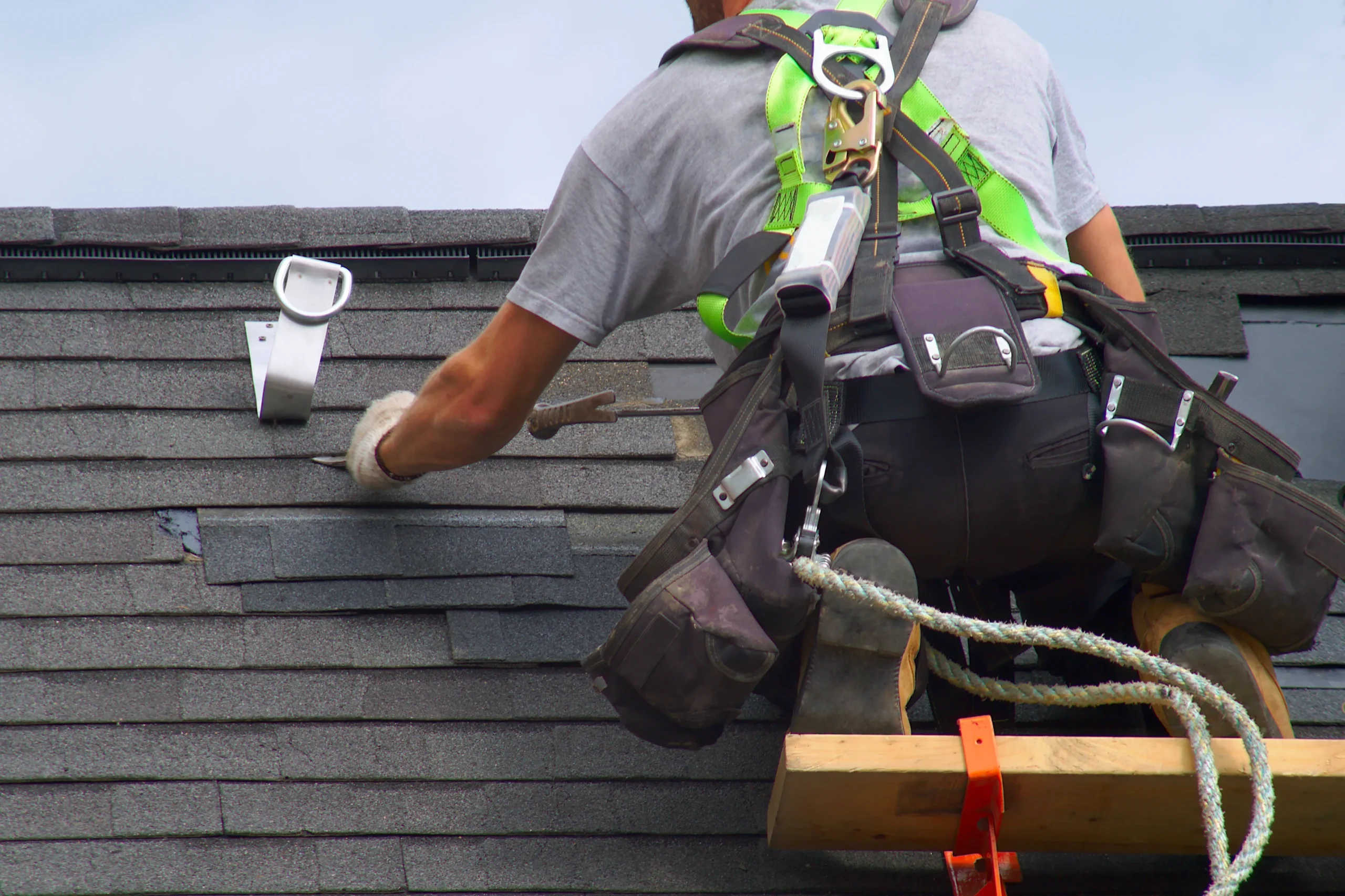
Your roof plays an important role in protecting your home from rain, wind, temperature changes and other elements. However, even a well-built roof needs regular attention to stay in good condition. Without proper care, minor issues can develop into leaks, water damage and costly repairs.
The good news is that routine roof maintenance can help extend your roof’s lifespan, identify potential problems early and protect your home from preventable damage.
Whether your roof is relatively new or has been protecting your home for years, these eight roof maintenance tips can help you keep it in good shape.
1. Inspect Your Roof Regularly
Routine roof inspections can help you catch signs of damage before they become bigger problems. Check your roof at least twice a year, ideally in the spring and fall, and after severe weather.
Look for visible signs of wear, such as missing or cracked shingles, damaged flashing, sagging areas or debris buildup. Avoid climbing onto your roof yourself, especially if the surface is wet, steep or unstable. If you notice anything concerning, contact a professional roofing contractor for a closer inspection.
2. Keep Gutters and Downspouts Clean
Clogged gutters can interfere with proper drainage and cause water to back up near your roofline. When water cannot drain away from your home, it may contribute to roof edge deterioration, fascia damage and moisture problems.
Clean your gutters regularly, particularly during the fall when leaves and other debris accumulate. Make sure downspouts direct water away from your home’s foundation and that water flows freely through the entire system.
Keeping your gutters clear is a simple but important part of an effective roof maintenance routine.
3. Remove Debris From Your Roof
Leaves, branches, pine needles and other debris can collect on your roof, especially in valleys and around chimneys or other roof features. Over time, this buildup can trap moisture and interfere with proper drainage.
After storms or windy weather, check for debris accumulation. Have a professional remove debris when necessary, particularly if it has collected in hard-to-reach areas.
Avoid pressure washing shingles or using tools that could scratch, loosen or damage roofing materials. Proper cleaning methods help preserve your roof without creating additional problems.
4. Check for Missing or Damaged Shingles
Shingles help protect your home from moisture and weather exposure. When they become cracked, curled, loose or missing, water may find its way beneath the roofing materials.
During your routine inspection, look for uneven patches, exposed areas or shingles that appear different from the surrounding roof. You may also notice granules accumulating in your gutters, which can indicate shingle wear.
Address damaged shingles promptly. Depending on the extent of the damage and the overall condition of your roof, a roofing professional may recommend a repair or a more comprehensive evaluation.
5. Inspect Flashing and Roof Penetrations
Flashing is installed around vulnerable areas of your roof, including chimneys, skylights, vents and roof-to-wall transitions. These areas are especially important because gaps or deteriorating seals can allow water to enter your home.
Look for visibly loose, bent or damaged flashing, as well as cracked sealant around roof penetrations. Inside your home, water stains on ceilings or walls may indicate a leak near one of these areas.
Because flashing problems can be difficult to identify from the ground, professional inspections are especially valuable for detecting early signs of trouble.
6. Trim Overhanging Tree Branches
Trees can provide shade and improve your home’s appearance, but branches that hang over your roof can create maintenance challenges. During storms, branches may scrape against shingles or break off and cause damage.
Overhanging trees can also drop leaves and needles onto your roof, increasing debris buildup and potentially contributing to moisture retention.
Trim branches that are too close to your roof and remove dead or unstable limbs when appropriate. For large trees or branches near power lines, hire a qualified professional rather than attempting the work yourself.
7. Watch for Signs of Moisture in Your Attic
Roof maintenance involves more than examining the exterior of your home. Your attic can provide important clues about the condition of your roof and ventilation system.
Periodically check for water stains, damp insulation, mold-like growth, musty odors or daylight visible through areas where the roof should be sealed. These signs may indicate a leak or another moisture-related issue that needs attention.
Proper attic ventilation is also important. Poor ventilation can contribute to excess moisture and heat buildup, potentially affecting roofing materials and overall roof performance.
If you discover moisture or suspect a leak, have the source investigated promptly rather than simply covering the visible damage.
8. Schedule Professional Roof Inspections
Even if your roof looks fine from the ground, some problems may not be immediately visible. A professional roofing contractor can evaluate vulnerable areas, identify developing issues and recommend repairs based on your roof’s age, material and condition.
Schedule inspections periodically and after significant weather events when damage is suspected. Older roofs or roofs with a history of leaks may benefit from more frequent evaluations.
Professional inspections can help you prioritize necessary repairs, plan for future replacement and avoid overlooking issues that could lead to more extensive damage.
When Should You Consider Roof Repairs or Replacement?
Routine roof maintenance can help you get the most out of your roofing system, but maintenance alone cannot resolve every issue.
Consider contacting a roofing professional if you notice recurring leaks, widespread shingle damage, persistent moisture problems or signs of sagging. The appropriate solution will depend on the extent of the damage, the age of your roof and the condition of the existing materials.
Addressing isolated problems early may help prevent more extensive repairs. However, if your roof has reached the end of its expected service life or has widespread deterioration, replacement may be the more practical long-term option.
Protect Your Home With BA Exteriors
Need help maintaining your roof? BA Exteriors can help you evaluate your roofing needs and determine the next steps for protecting your home. Contact our team to learn more about our roofing services and schedule an inspection.