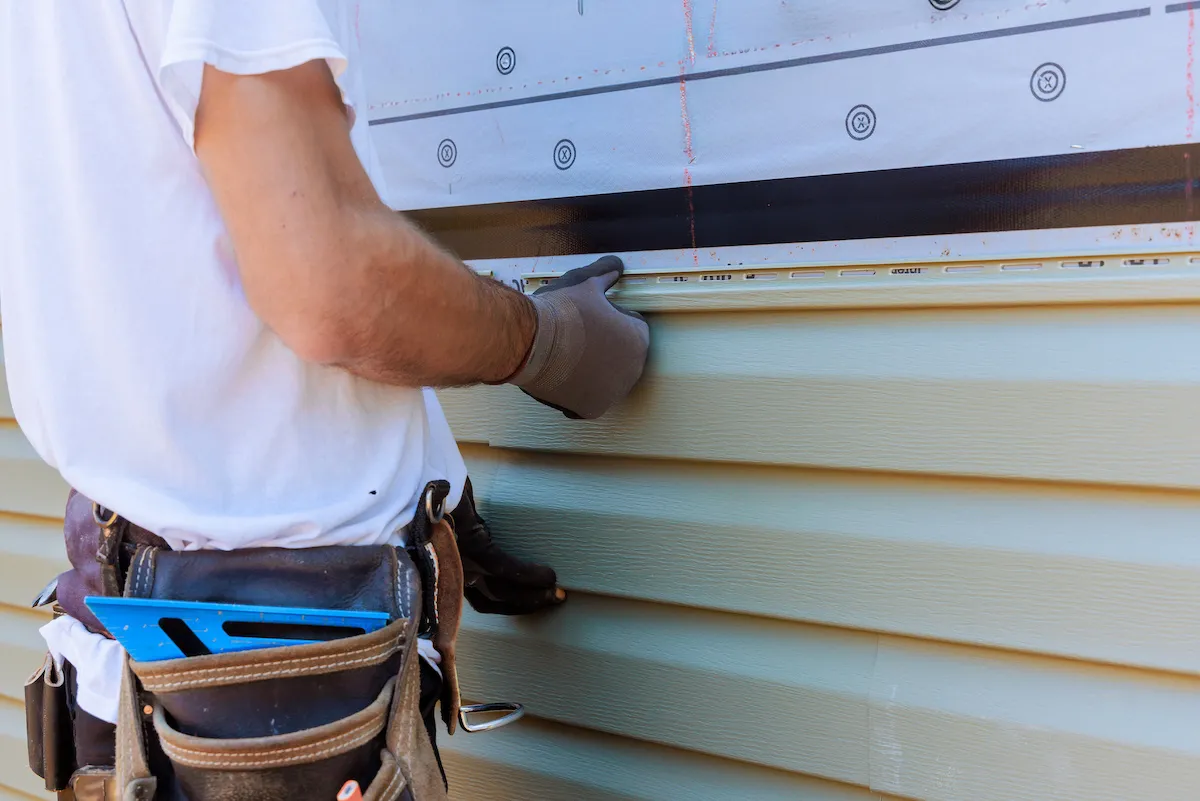
Your home’s exterior is more than just a first impression, it’s a critical part of protecting your property, boosting curb appeal and even increasing energy efficiency. Choosing the right siding material is one of the most important decisions homeowners can make, but with so many options on the market, it can be overwhelming. To help, we’ve put together a comprehensive guide to selecting the perfect siding for your home.
Understand the Different Types of Siding Material
Before making a decision, it’s important to understand the most common siding materials and what they offer:
Vinyl Siding
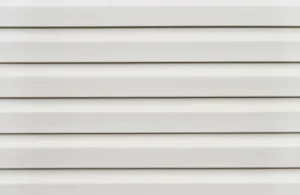
Vinyl is one of the most popular options due to its affordability, durability and low maintenance. It comes in a wide variety of colors and textures, including styles that mimic wood. While it’s resistant to rot and pests, vinyl can fade over time and may crack in extreme temperatures.
Wood Siding
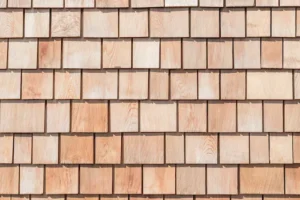
Wood offers timeless beauty and natural warmth. It’s available in styles such as clapboard, shingles and board-and-batten. Wood siding requires regular maintenance, including painting or staining, but it can last for decades if properly cared for.
Fiber Cement Siding
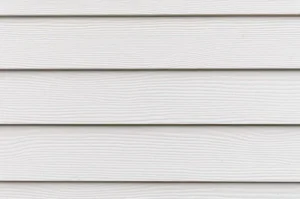
Fiber cement is made from a mix of cement, sand and cellulose fibers. It is extremely durable, fire-resistant and can withstand pests and harsh weather conditions. It can be painted in any color and offers the look of wood without the high maintenance.
Metal Siding

Aluminum and steel siding are durable, resistant to fire and pests and require little maintenance. Metal siding is ideal for modern or industrial-style homes. While it is long-lasting, it may dent in extreme weather conditions and can be more expensive upfront.
Stucco Siding
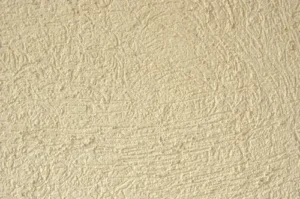
Common in Mediterranean or Southwestern-style homes, stucco provides a smooth, uniform appearance. It is fire-resistant and durable but can crack if the home settles or during seismic activity. Proper installation is key to longevity.
Consider Your Home’s Architectural Style
Your home’s design should guide your siding choice:
- Traditional and colonial-style homes pair beautifully with wood or fiber cement.
- Contemporary or modern homes often look best with sleek metal or fiber cement panels.
- Cottages and rustic homes can benefit from wood or textured vinyl siding.
- Southwestern or Mediterranean homes typically use stucco or textured fiber cement.
Choosing a siding material that complements your home’s style will ensure a cohesive and appealing exterior.
Evaluate Durability and Maintenance Needs
Different materials offer different levels of durability and upkeep:
- Vinyl: Very low maintenance; simply wash occasionally. Can last 20–40 years.
- Wood: Requires regular painting or staining; may be susceptible to termites or rot. Can last 30–50 years with care.
- Fiber Cement: Low maintenance and highly durable; may need repainting every 10–15 years. Lifespan of 50+ years.
- Metal: Extremely durable and resistant to fire and pests; lifespan 40–60 years.
- Stucco: Durable in the right climates, but may require occasional patching or sealing. Can last 50+ years.
Consider how much time and effort you’re willing to invest in maintenance when choosing a siding material.
Factor in Your Local Climate
Your local weather has a major impact on siding performance:
- Humid or Rainy Areas: Fiber cement or vinyl resists moisture better than wood.
- Cold Climates: Insulated siding options improve energy efficiency. Fiber cement and insulated vinyl perform well in extreme temperatures.
- Hot and Sunny Regions: Materials like fiber cement and metal resist fading and cracking under intense sun.
- Windy Areas: Fiber cement, metal and properly installed vinyl hold up best in high winds.
Selecting siding that can withstand your local climate helps protect your home and reduces long-term repair costs.
Think About Energy Efficiency
Siding can play a big role in your home’s energy efficiency. Insulated vinyl or fiber cement siding can reduce heat transfer, keeping your home cooler in the summer and warmer in the winter. This can lower energy bills and make your home more comfortable year-round. Pairing siding with high-quality insulation maximizes these benefits.
Set a Realistic Budget
Siding costs vary depending on material, style, and installation:
- Vinyl: $5–$10 per square foot; cost-effective and low maintenance.
- Wood: $6–$12 per square foot; higher maintenance costs over time.
- Fiber Cement: $7–$14 per square foot; moderate upfront cost with excellent longevity.
- Metal: $8–$15 per square foot; higher initial investment, long-lasting.
- Stucco: $6–$12 per square foot; cost depends on complexity of application.
Remember to factor in installation costs, maintenance and long-term durability when determining your budget.
Personal Preferences and Lifestyle
Finally, your lifestyle should guide your siding choice:
- Busy homeowners who want low maintenance may prefer vinyl, fiber cement or metal.
- Those looking for natural aesthetics and classic charm might choose wood.
- If energy efficiency is a priority, insulated siding or fiber cement is ideal.
- Families with children or pets may benefit from durable and impact-resistant materials.
Choose the Right Siding with BA Exteriors
Choosing the right siding material is about balancing style, durability, maintenance, energy efficiency and cost. The right choice will protect your home, enhance curb appeal and increase property value for years to come.
At BA Exteriors, we specialize in helping homeowners choose and install high-quality siding materials that suit every style and budget. Our experienced team will guide you through the selection process and ensure a flawless installation that stands the test of time. Contact us today to explore siding options and give your home the upgrade it deserves.